February 23, 2026
Anna Maria Island Dolphin Tours: What to Expect on a Private Tour (Prices, Duration, Best Time)
A private dolphin tour around Anna Maria Island is one of those Florida experiences that feels easy from start to finish: a calm ride, open water views, and a good chance of seeing wildlife in its natural habitat. If you’re comparing anna maria island dolphin tours and trying to figure out what you’ll actually do on the boat, how long to book, and what a fair price looks like, this guide walks through the details that matter most for planning.
You’ll find a clear picture of the pace and vibe of a private tour, what you’re most likely to see, typical price ranges, the best times of day to go, and a simple way to choose an operator that fits your group.
What a Private Dolphin Tour Near Anna Maria Island Is Like
Private tours feel different from group trips, mostly because the day follows your pace and your priorities. Here’s what the experience usually looks like and how “private” changes the flow.
Private vs group tours (pace, crowd level, flexibility)
On a private tour, it’s just your party and the captain. That changes the rhythm in a few helpful ways:
- Less waiting, more cruising: no loading multiple groups or coordinating different needs.
- More flexibility: you can linger when wildlife shows up, slow down for photos, or shift the route based on conditions.
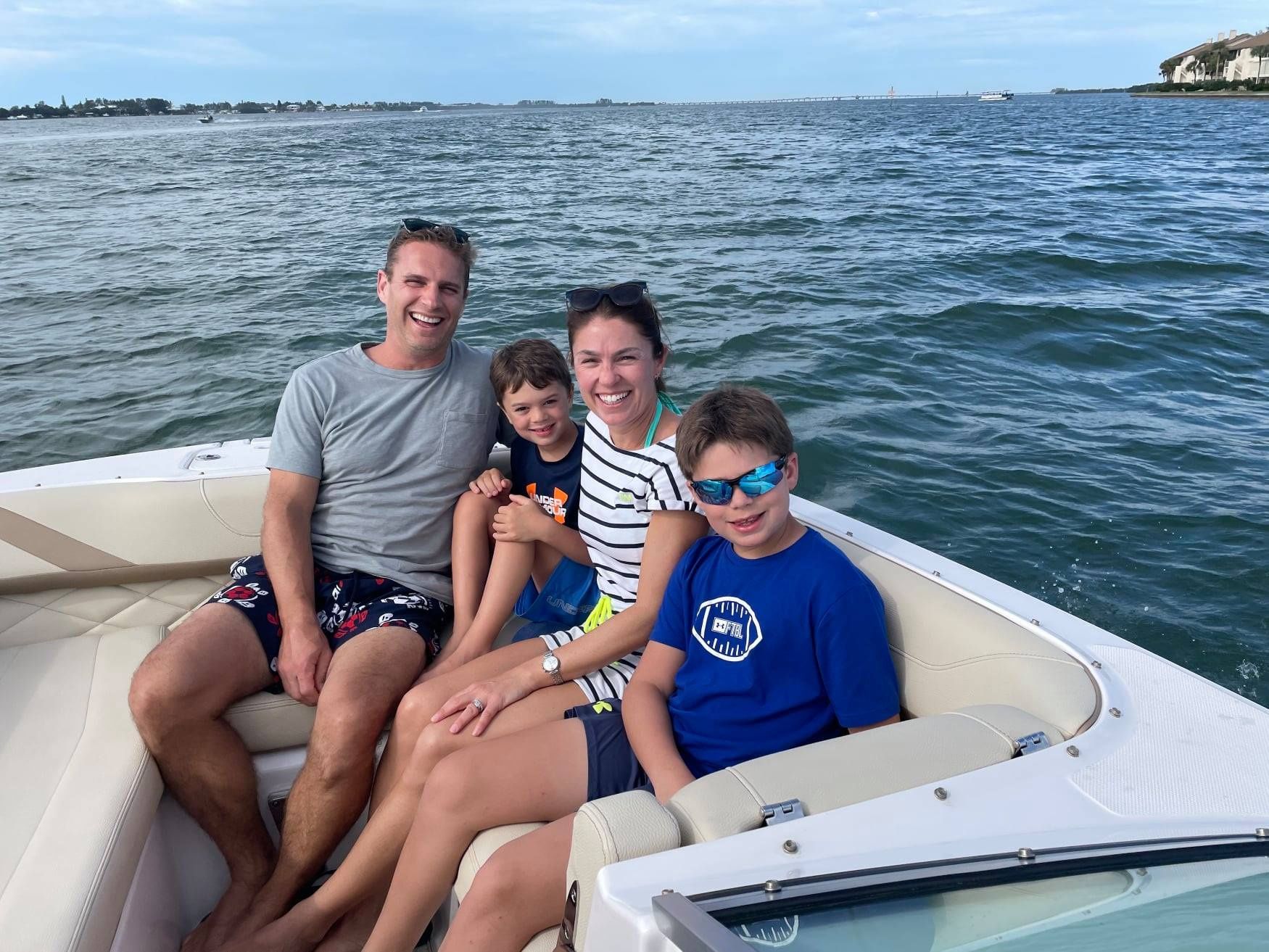
- More comfort for families: kids can move around a bit more, and parents don’t have to manage space with strangers.
- More say in the vibe: quiet nature cruise, photo-forward ride, or a mix, you can steer the tone.
A group tour can still be fun, especially for budget-minded travelers, but private trips usually feel calmer and more personal. If you’re comparing private dolphin and manatee tour options, focus on how flexible the route is and how much time you’ll realistically have for wildlife viewing.
Typical route style (bays and intracoastal vs open Gulf)
Most dolphin-focused tours in this area spend a lot of time in protected water. Captains often favor bays, passes, and intracoastal channels because conditions stay smoother, visibility can be better, and wildlife tends to travel these corridors. On calmer days, you may also get more open-water cruising, but the exact route depends on wind, tide, and where animals have been active recently.
You don’t need to memorize local geography to enjoy it. Just expect a mix of cruising and slow approach moments when wildlife appears.
What You’re Likely to See on the Water
Wildlife sightings change from day to day, but the waters around Anna Maria Island have a fairly consistent cast of characters. Knowing what’s common helps you set expectations and enjoy whatever shows up.
Dolphins (behavior you may see, etiquette)
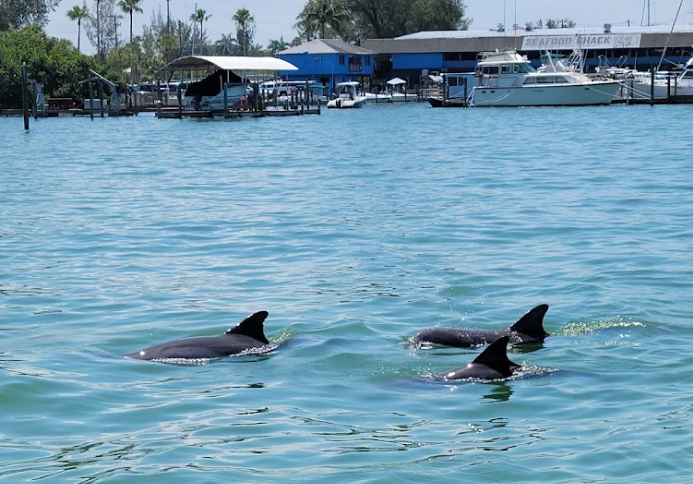
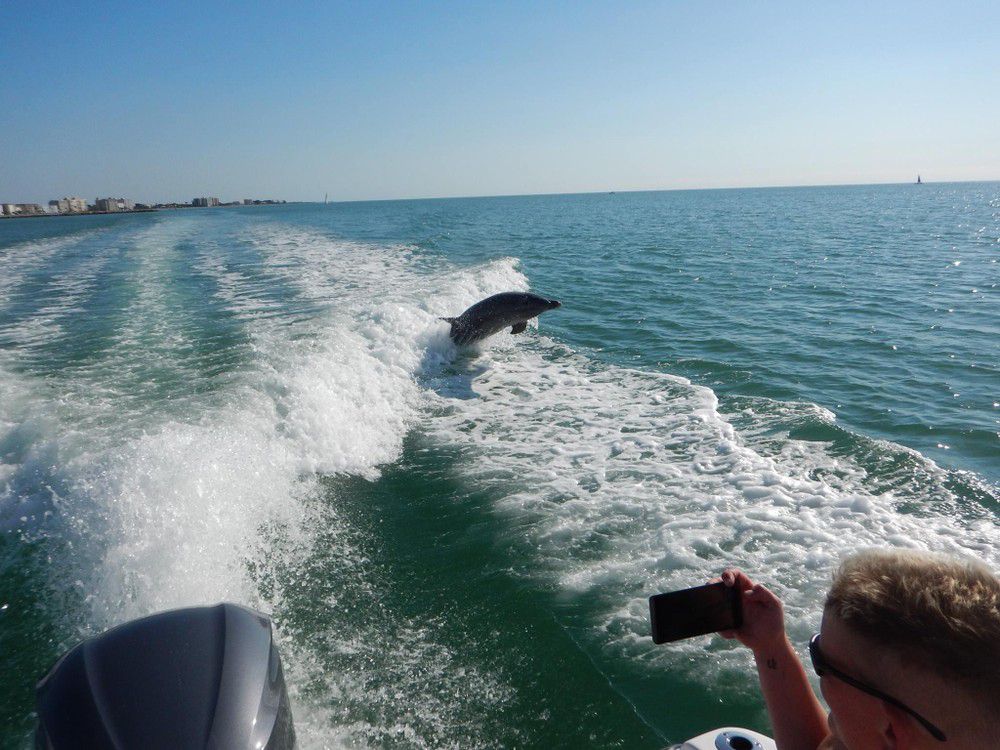
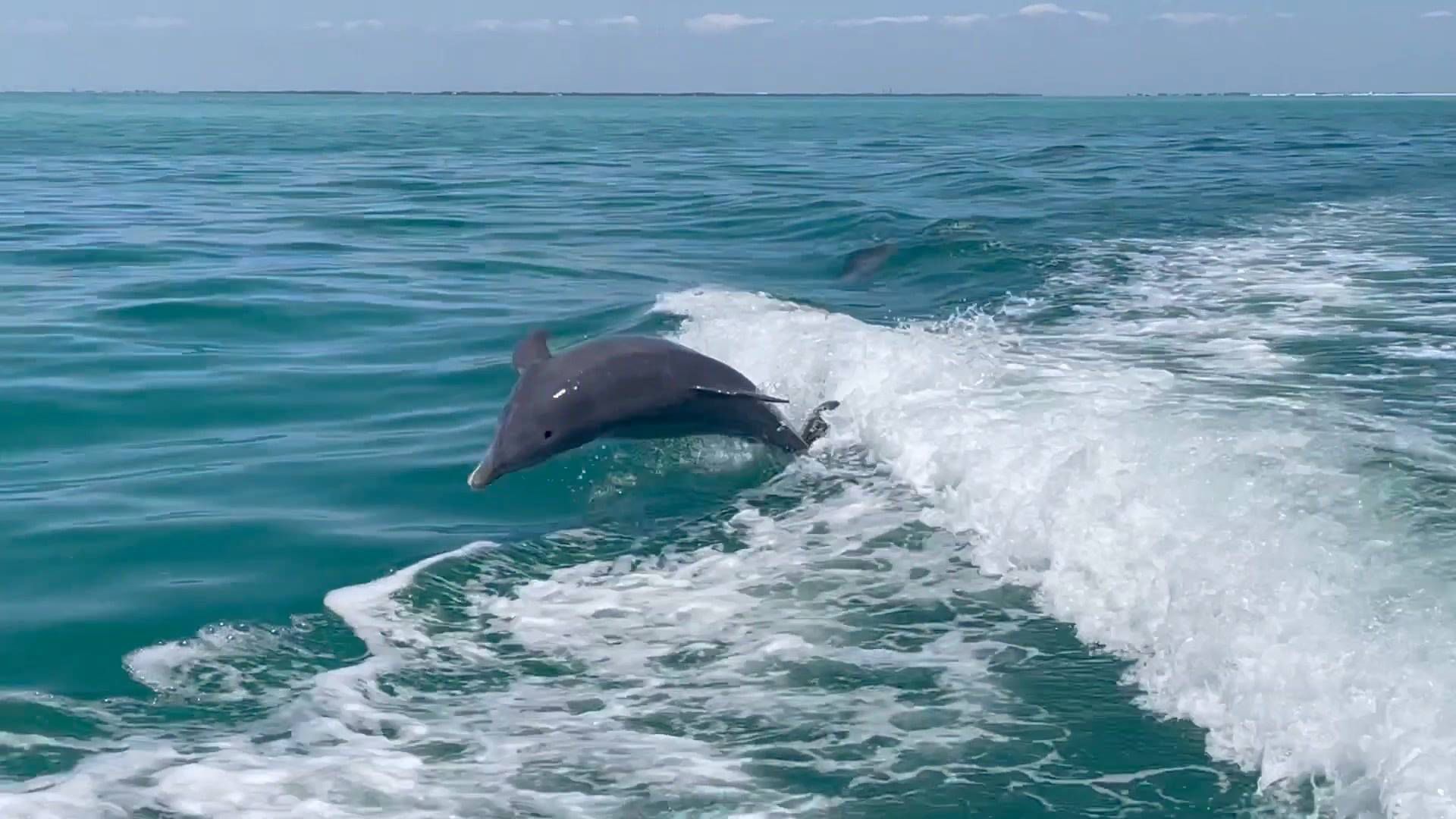
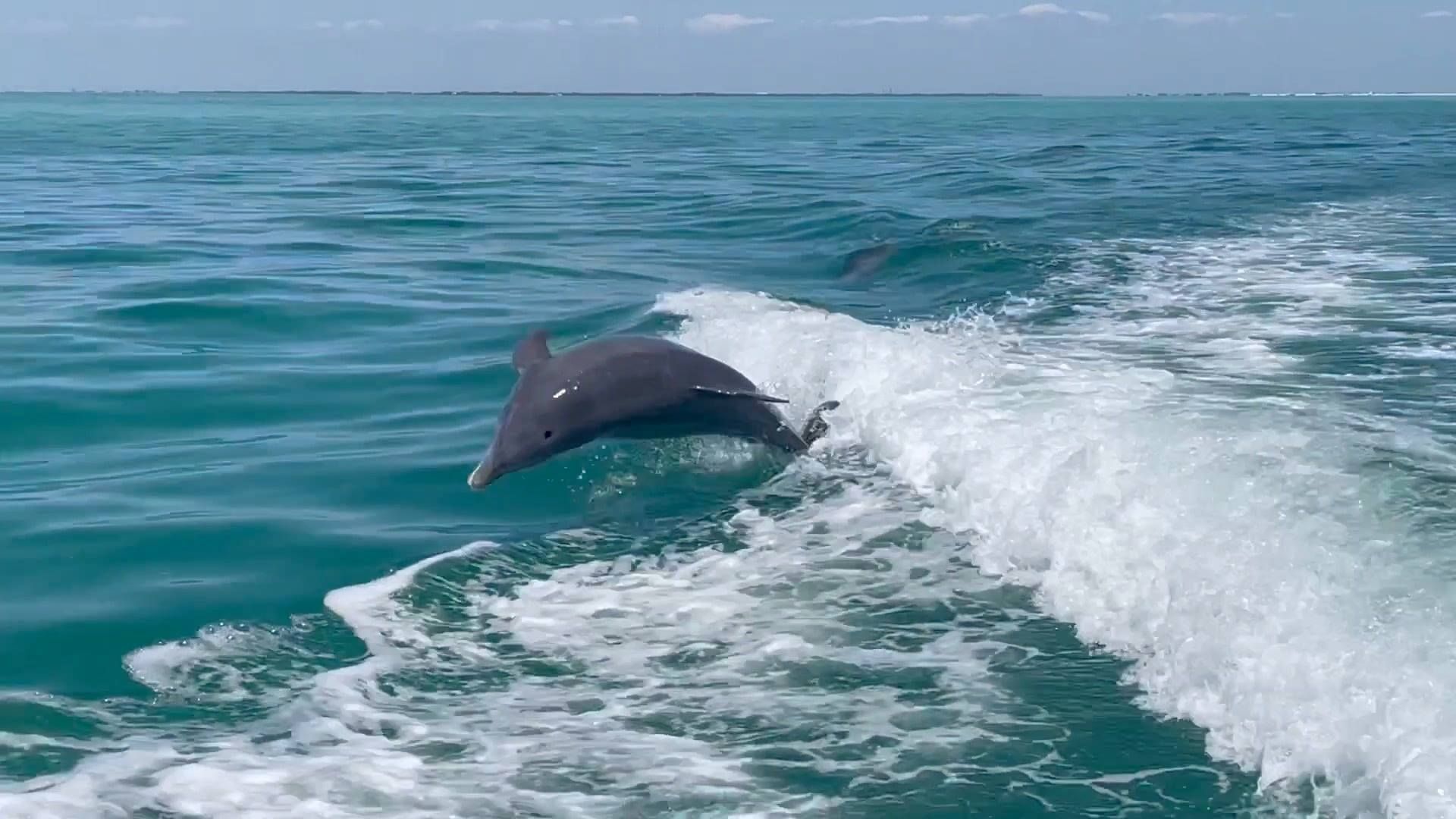
Dolphins are the headline for a reason. In the waters around Anna Maria Island, you may see them traveling in pairs or small groups, surfacing to breathe, and sometimes riding boat wakes. Some days they feel curious and stick around longer. Other days they pop up briefly and move on.
A good captain will keep encounters respectful and safe. That usually means slowing down, giving dolphins room to choose the distance, and avoiding sudden turns or chasing behavior. If dolphins do approach the boat, you’ll likely get better photos by staying steady, keeping your movements calm, and letting the moment happen instead of trying to close the gap.
Manatees and coastal birds (seasonality notes, respectful distance)
Many tours also spot manatees, especially in calmer areas where they feed and travel. They can surface quietly and disappear just as fast, so patience helps. You may also see coastal birds like ospreys, herons, pelicans, and other species depending on where you cruise.
When you do see manatees or birds up close, the best practice stays the same: slow approach, quiet observation, and plenty of space. A respectful distance keeps the experience safer for the animals and better for everyone on the boat.
Anna Maria Island Dolphin Tours Prices (What Impacts Cost)

Prices can feel confusing because “dolphin tour” can mean anything from a large group boat to a private charter. A few simple factors explain most price differences, and they make comparisons a lot easier.
Common price ranges by duration (2, 3–4, 6–8 hours)
For private dolphin tours anna maria island, pricing usually tracks with time on the water and the type of experience (simple wildlife cruise vs a longer multi-stop day). Typical ranges look like this:
- 2-hour private tour: often $350–$450
- 3–4 hour private tour: often $450–$650
- 6-hour private tour: often $700–$850
- 8-hour private tour: often $850–$1,000+
These ranges can shift with season, demand, and what’s included. Some operators package specific experiences at set prices, while others treat longer trips as customizable charters.
That’s the simplest way to evaluate anna maria island dolphin tours prices: compare tours with the same duration first, then check what each trip includes before deciding which one offers better value. If you want a quick reference point while comparing options, you can also look at tour pricing and duration options in one place.
Add-ons that change price (snorkeling, sandbar or island stops, sunset focus)
Extras can bump the price, especially when they change the pace of the trip or require specific gear or destinations. Common factors include adding snorkeling time, extending the tour to include island or sandbar stops, or booking around a sunset window. None of these are better by default. They just change what you’re paying for: more time, more logistics, or a more specific itinerary.
How Long Should Your Dolphin Tour Be? (Duration Guide)
The best duration depends on your group’s attention span, what else you want to do besides dolphin watching, and how much flexibility you want on the water. Use this as a quick matchmaker.
2 hours (best for first-timers and families with younger kids)
Two hours works well when you want a focused wildlife cruise without a big time commitment. Families with younger kids often like this option because it feels manageable, and you still have a solid window to search for dolphins and enjoy the ride.
3–4 hours (best balance for wildlife plus a second activity)
If you want more than spot dolphins and head back, this is the sweet spot. A 3–4 hour dolphin tour anna maria island gives you time to explore more areas, wait out short lulls, and potentially add an extra element like snorkeling in a suitable area or a relaxed stop for scenery.
6–8 hours (best for a full custom day)
Longer trips are for people who want a day on the water, not just a tour. You can mix wildlife viewing, island time, sandbar stops, snorkeling, and slower cruising. It also gives the captain more room to adapt the route if conditions change.
Best Time to See Dolphins Around Anna Maria Island (Season and Time of Day)
Dolphins are active all day, but timing and conditions can make spotting them easier. Planning around time of day and season helps set expectations and avoid frustration.
Time of day (morning vs late afternoon, water conditions)
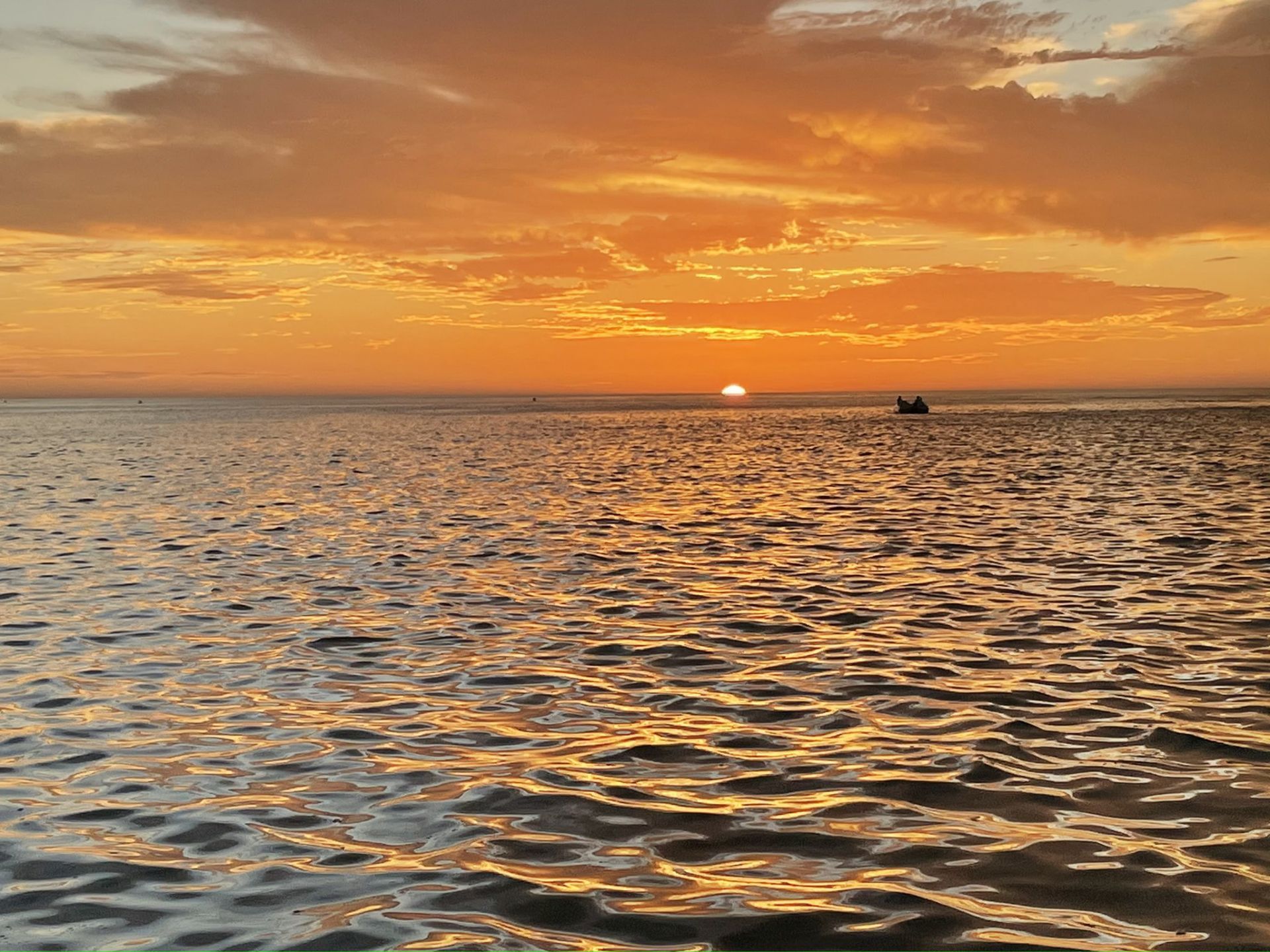
Many captains like mornings because winds can be lighter and water can look smoother. Calm conditions make it easier to spot dorsal fins and surface activity. Late afternoon can also be productive, and the light can look great for photos, especially when the sun sits lower.
If you have flexibility, choose a time when your group feels comfortable. A relaxed crew tends to enjoy sightings more than a tired crew, even if both groups see the same wildlife.
Time of year (what changes across seasons, crowds vs calm water)
You can see dolphins year-round in Florida, but the overall experience changes with season. Peak travel months can bring more boats and more activity on the water. Quieter seasons can feel calmer, and you may find it easier to book preferred times.
Instead of trying to chase a perfect month, focus on practical conditions: pick calmer time slots when possible, leave room for weather changes, and aim for a day when your schedule feels unhurried.
What to Bring (So You’re Comfortable and Ready for Photos)
A private tour stays more enjoyable when everyone feels comfortable and prepared, especially in sun and wind. Here’s a simple packing list that covers most situations.
- Polarized sunglasses (reduce glare and help you spot wildlife)
- Reef-safe, non-spray sunscreen (spray can drift onto seats and gear)
- Water shoes or sandals with grip
- Towels (even on non-swim trips, they come in handy)
- A hat and light sun layer
- Drinks and snacks (especially with kids)
- A small cooler if allowed by your operator
- A phone lanyard or waterproof pouch
- Motion sickness support if anyone in your group needs it
- A camera or binoculars if you like watching from a distance)
Pack light and keep essentials within easy reach. When hands stay free and the deck stays uncluttered, you’ll move around more safely and you’ll be ready when dolphins surface close by.
Rules and Practical Details People Ask About
Most booking questions come down to a few basics: group size, kids, and what you can bring onboard. These are the details that help you avoid last-minute surprises.
Group size limits and why they exist
Private charters often cap passenger counts for safety and compliance reasons. If your group sits above the limit, some operators can accommodate by arranging a second boat. If you’re traveling with extended family, it’s worth asking early so you can lock in the best plan.
Kids, toddlers, and safety basics
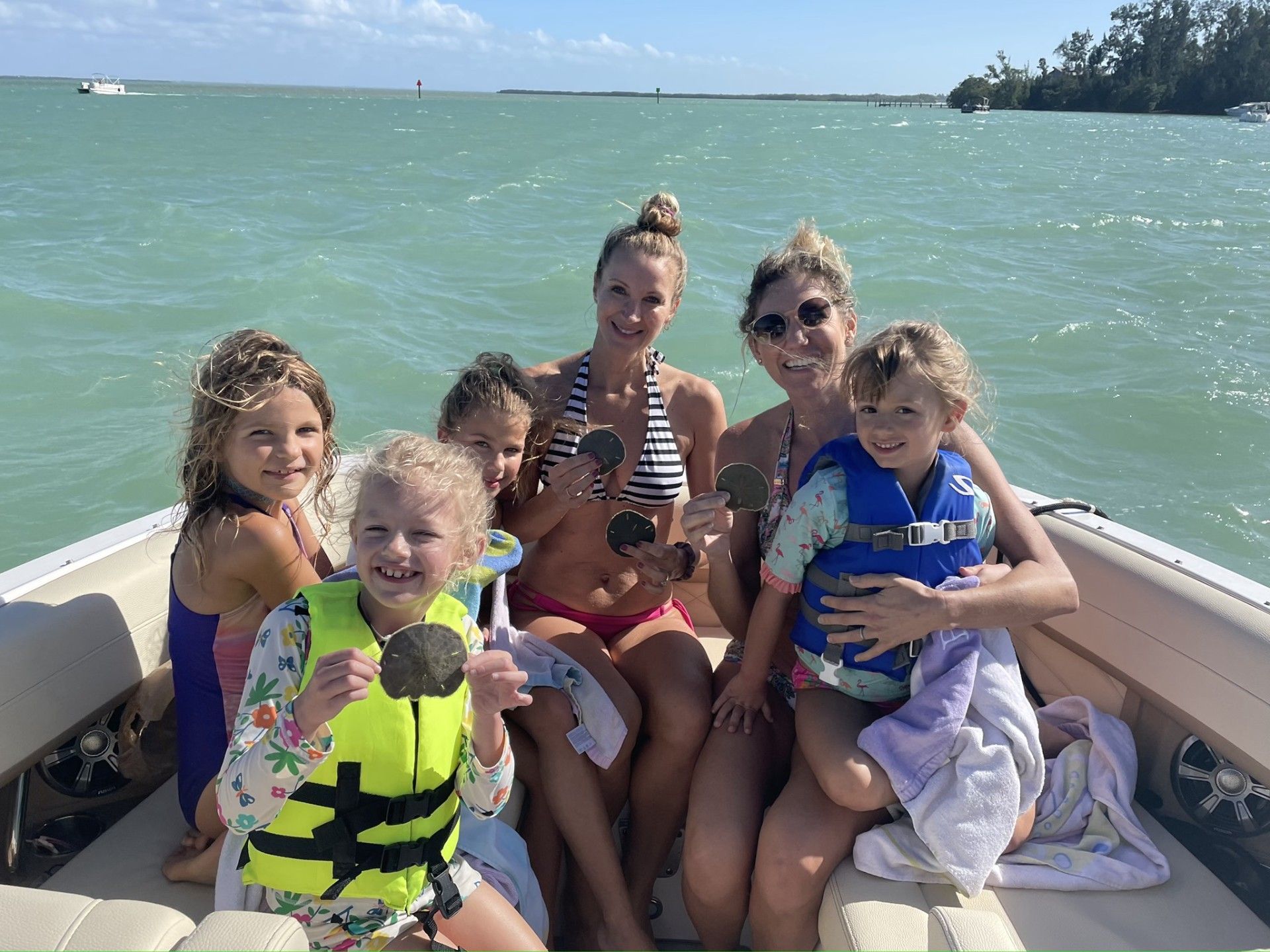
Private tours can be very family-friendly, especially when the boat has stable seating and a clear safety setup. Many operators require life jackets for younger children while the boat is moving. If you’re traveling with toddlers, ask about restroom access and shade options, and plan snacks and drinks around your child’s routine.
Food, drinks, and what’s usually allowed
Many private tours allow guests to bring their own drinks and snacks, and some allow adult beverages with a few basic restrictions. Ask what’s allowed before you pack, and keep items simple. Easy-to-hold food works better than messy meals when you’re moving on the water.
How to Choose the Best Dolphin Tours on Anna Maria Island (Quick Comparison)

You can find lots of “best” lists online, but a better approach is to match the tour to your group and your priorities. Here’s a quick way to compare options without getting stuck.
A short checklist for comparing tours
Use these points to compare operators and tour listings:
- Private vs shared boat (and whether groups mix)
- Tour length options and what’s included at each length
- Passenger limit and seating comfort
- Captain experience and safety approach
- Departure location and travel time to the boat
- Policies for weather changes and rescheduling
- What you can bring onboard (cooler, snacks, drinks)
Once you narrow it down, pick the tour that best matches your people. The best dolphin tours anna maria island are the ones that fit your group’s comfort level, schedule, and expectations, not the ones with the flashiest description.
Questions to ask before you book
A few questions can quickly clarify whether a tour is a match:
- How often do you run this route and what areas do you usually cover?
- What’s your plan if conditions change (wind, tide, storms)?
- What’s included in the price and what costs extra?
- Are there any restrictions on coolers, drinks, or specific items?
- What safety rules apply for kids, and do you provide life jackets?
If answers feel vague, keep shopping. Clear answers usually signal a well-run operation.
Sample Itineraries (So You Can Picture the Day)
It helps to imagine how the hours actually feel. These sample flows show the rhythm of each tour length, not a rigid schedule.
2-hour sample flow
You depart, cruise through protected water, and start scanning for surface activity. Once dolphins appear, the boat slows and follows at a respectful distance while you watch and take photos. You may spot birds or a manatee along the way, then cruise back with time for one more wildlife check near the end.
4-hour sample flow
You start with a dolphin search in areas known for frequent sightings, then shift to additional spots if activity is quiet. With extra time, you can slow down more often, explore a wider stretch of water, and add a short stop if conditions allow. The pace feels less rushed, especially for families who want breaks.
6–8 hour sample flow
A full-day charter often mixes wildlife viewing with extra experiences. You might start with dolphins in the morning, then head toward a calm stop for snorkeling or island time, then finish with a relaxed cruise back. Longer tours also give the captain more flexibility to adjust the day around wind, tide, and wildlife movement.
FAQs
Quick answers to a few common planning questions can help set expectations before you commit to a time slot.
Will we definitely see dolphins?
No operator can guarantee sightings, but dolphins are common in this region. Calm conditions, a flexible route, and enough time on the water can improve your chances.
Can we swim with dolphins or manatees?
Wildlife rules protect marine animals, so tours generally don’t allow swimming with dolphins or manatees. Sometimes animals pass near a swim spot, but the tour should still follow legal and respectful distance practices.
Is the water rough?
It depends on wind and where you travel. Many routes favor protected water to keep the ride smoother. If someone in your group gets motion sick easily, bring what you know works for them and choose calmer times when possible.
What happens if it rains?
Light rain doesn’t always stop a tour, but storms and unsafe conditions do. Ask about rescheduling policies, and keep an eye on forecasts as your date gets closer.
Are private tours okay for toddlers?
Often yes, especially because the pace is flexible and your family has the boat to itself. Ask about life jacket rules, restroom access, and any age-related safety guidance.
Wrap-up
A private dolphin tour near Anna Maria Island usually means smooth cruising, a relaxed pace, and a good shot at seeing dolphins, with the bonus of manatees and coastal birds on many trips. Prices mainly track with tour length and add-ons, while the best timing depends on water conditions and what fits your group’s energy. Choose the duration that matches your priorities, pack for sun and comfort, and ask a few simple questions before booking so the day runs as smoothly as the water.